Social responsibility: The invisible value that transforms assets
For a long time, in the real estate sector, we spoke about value as a synonym for square metres, location and profitability. Today, that vision is no longer enough — in fact, it no longer makes sense.
The way we design, manage and activate spaces has a direct impact on people’s lives. Ignoring this responsibility means ignoring the role companies play in shaping cities. And this is a change that is not optional.
The data confirms it. According to NielsenIQ, more than 78% of consumers value sustainability in their decision-making. But beyond being a trend, this reflects an expectation: people want the places where they live, work and consume to be more inclusive, more accessible and more human.
At Nhood, we believe that an asset cannot simply function — it has to serve. Serve the community, respond to its needs and evolve alongside it. We manage more than 320,000 square metres in Portugal and welcome around 47 million visits per year. These are not just numbers. They are people, with different realities, expectations and challenges.
That is why social responsibility is not a side project for us. It is at the core of how we think about and operate our assets. It is reflected in the Silent Hour initiative, which allows people with autism spectrum disorders to experience our spaces in comfort. It is reflected in the integration of ColorADD, which gives autonomy to colour-blind individuals. It is reflected in the continuous training of our teams to ensure everyone knows how to provide a better welcome.
But it is also reflected in the way we anticipate change. The growth of hybrid working led us to create free Workspots. The need to strengthen ties with communities translated into cultural programmes that are closer and more relevant. Because a shopping centre cannot simply be a place people pass through — it has to be a place where they feel they belong.
For us, social responsibility is not an extension of the ESG strategy. It is its foundation. It is what gives meaning to the pillars of People, Planet, Profit and Governance. It is what ensures that we speak about real impact, not just intentions.
Looking ahead to 2050, the question is no longer who talks about social responsibility. It is who turns it into action.
Because in the future, it will not be the biggest or most modern assets that lead — it will be those that are most relevant to people. And relevance is not built through speeches; it is built through decisions made every day.
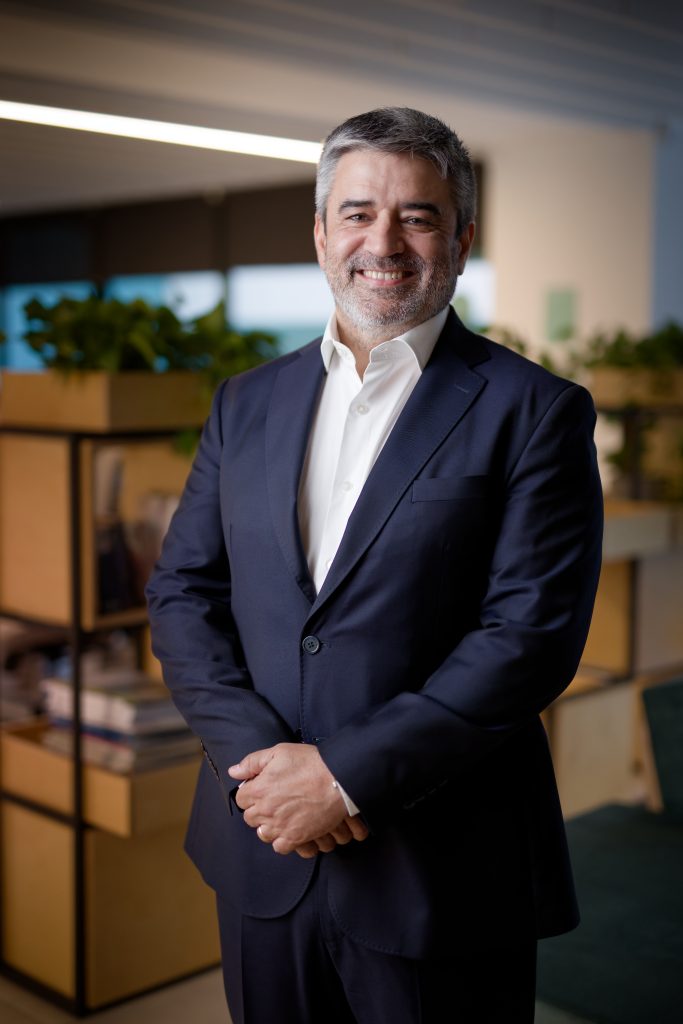
Luis Arrais, Property Director Iberia


